Gadget Lab
Budget Smartphones 2026: 6 Phones That Still Feel Premium
The best budget phones in 2026 no longer feel like compromises. We break down six profiles by what they do best, the specs that actually matter, and the corners worth accepting at this price.
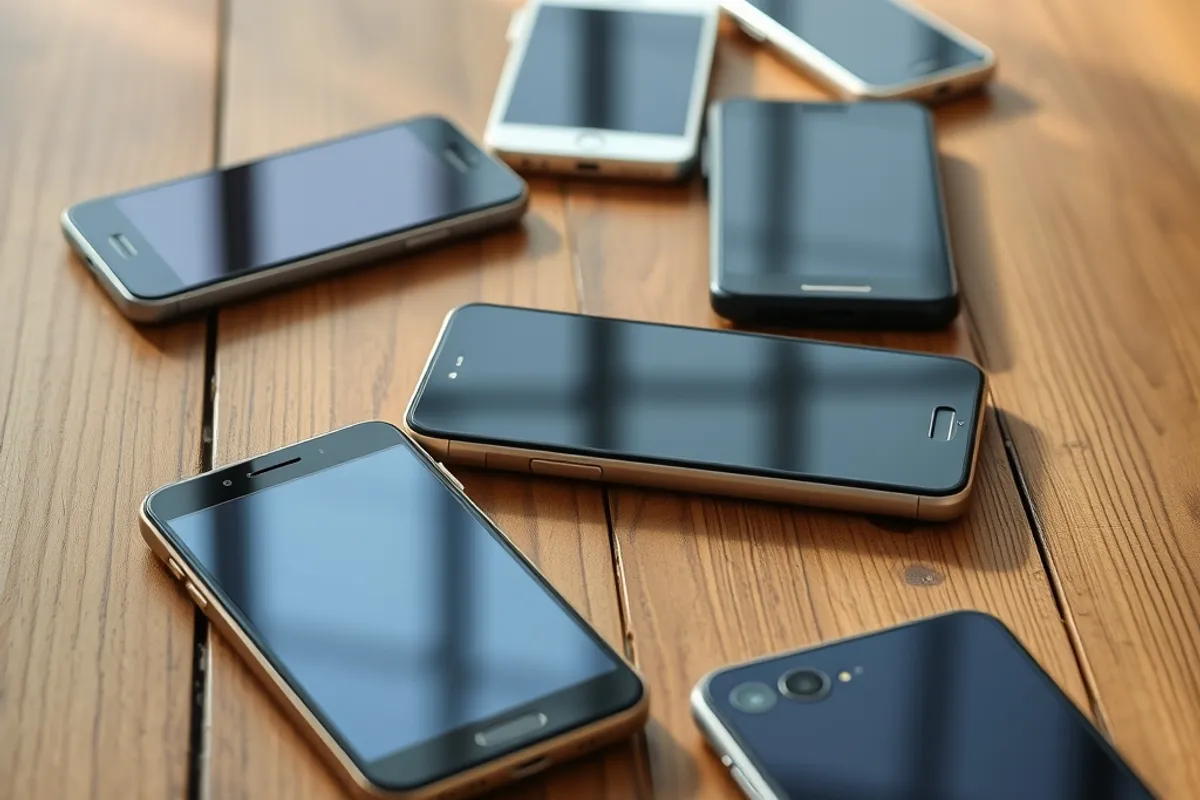
Budget phones used to be a test of patience. In 2026 the gap between a mid-range device and a flagship is narrower than the price difference suggests. The remaining compromises are specific, and most of them are easier to live with than the spec sheet implies.
What changed this year
Three things lifted the category. Screens improved: high refresh rate panels are now normal below the flagship tier. Batteries got smarter: software scheduling stretches a smaller cell through a full day. And update promises lengthened, which matters more than any single feature because it decides how long the phone stays safe.
The chip inside a budget phone still matters, but less than the storage and memory configuration. A modest processor with enough RAM feels smoother than a faster chip that runs out of memory. Buy the memory, not the headline clock speed.
At this price, the best phone is the one whose weaknesses you can live with for three years.
Six profiles, not six logos
Rather than rank models that change every quarter, we group the category by what each phone is best at. The long-battery pick is for people who leave the charger at home. The camera pick prioritises a reliable main sensor over a pile of decorative lenses. The compact pick keeps a smaller screen and one-hand use.
The durability pick adds water resistance and a tougher frame. The update pick buys the longest software support in the price band. The value pick is the one that does everything adequately and nothing badly. Most readers are best served by the value or update pick, not the one with the biggest number on the box.
Specs that actually matter
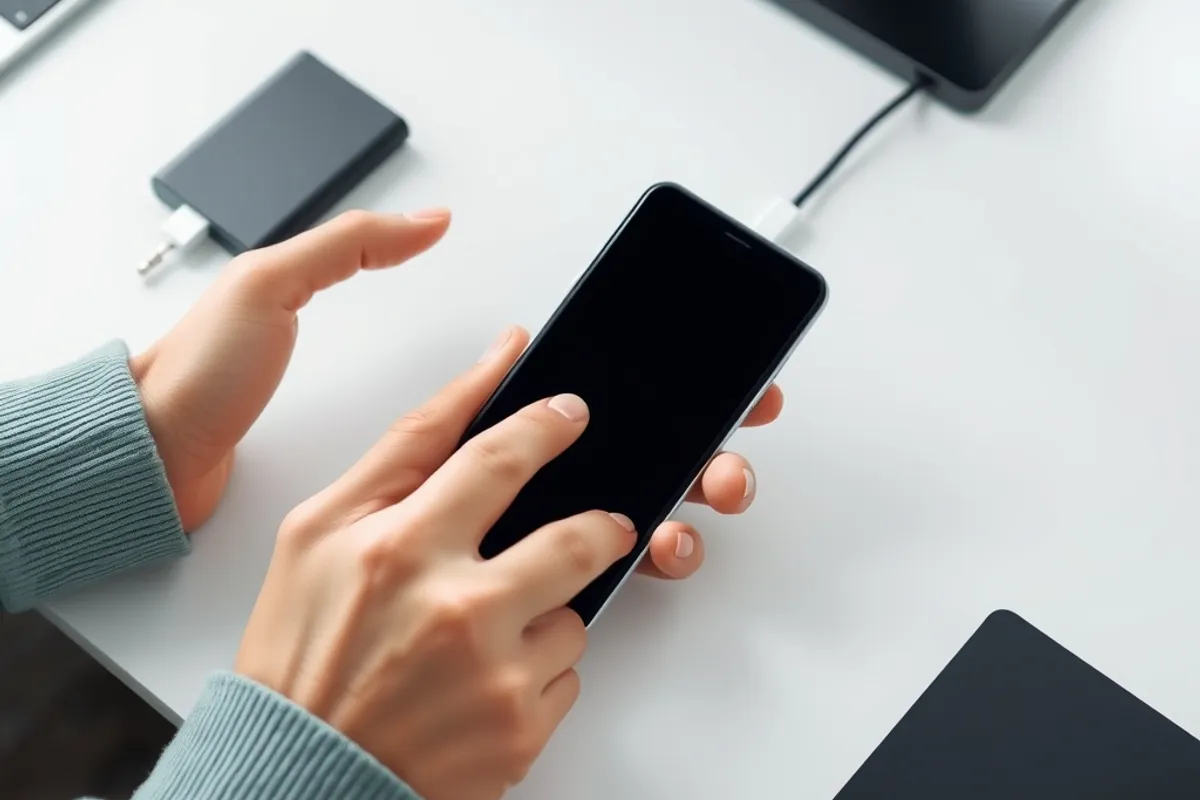
Look at the screen brightness and refresh rate, the amount of RAM, the storage speed and the promised years of security updates. Those four decide daily comfort. Camera megapixels and processor names sell phones; they rarely decide whether you enjoy using one.
Check the charger situation too. Some budget phones ship without one, and fast charging may require a specific adapter. A cheap phone with a slow charger can feel like a bad phone by the end of the first week.
Corners worth accepting
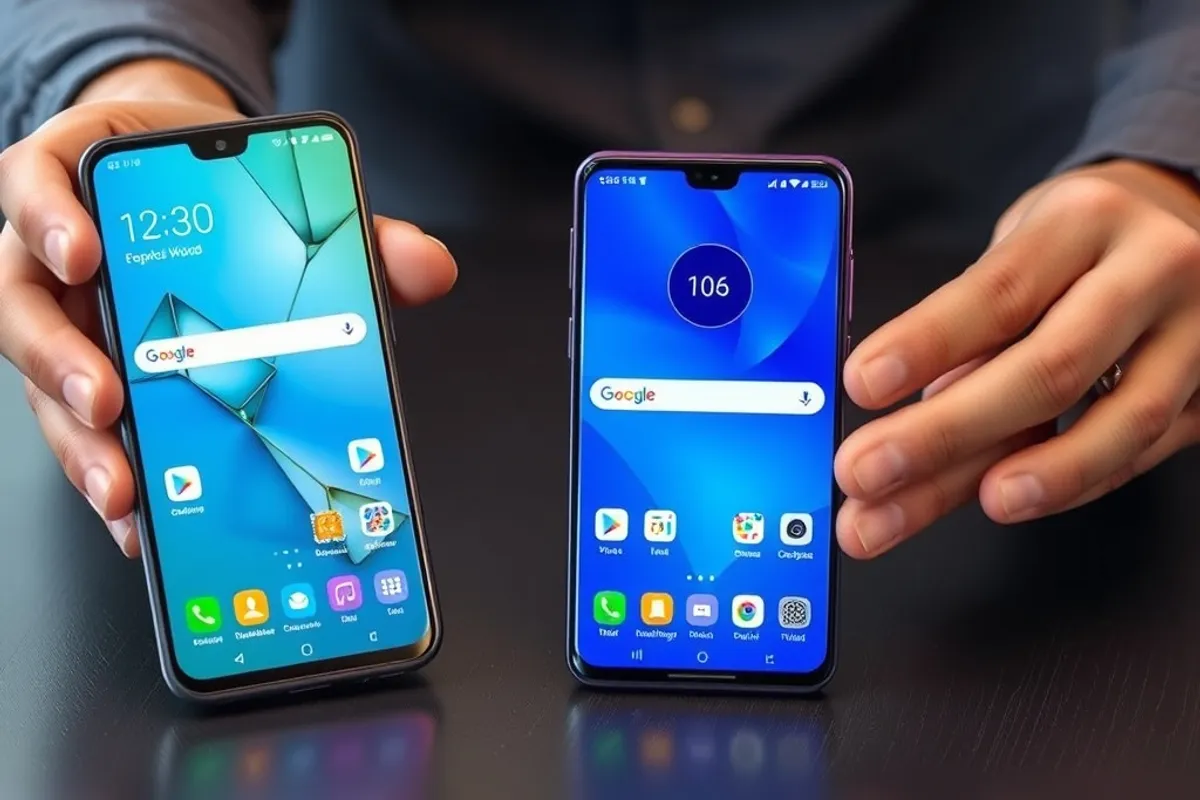
At this price you will probably accept a plastic frame, a slower fingerprint reader and a camera that struggles in very low light. Those are fair trade-offs. What is not fair is a phone that stops receiving security updates after two years or ships with an app store full of unremovable clutter.
Buy from a seller with a clear return policy, especially if you are ordering online. The first week is when you discover whether the screen gives you headaches or the battery actually lasts. Our smart home guide makes a similar point about setup time: the device has to fit your routine, not the other way around.
How to choose
Write down the two things you do most on a phone, then buy for those. If it is messaging and maps, priority goes to battery and screen. If it is photos, priority goes to the main camera and storage. Ignore the rest of the comparison table.
For neutral definitions of the security terms on the spec sheet, the CISA best-practices library is a useful reference. It is written for organisations, but the update advice applies to a phone in your pocket too.