How we test websites
We measure load time on a throttled connection, then check layout stability and tap targets on a budget phone. A page that scores well but jumps around while loading is not fast in any way a reader cares about.
We also test the editing experience. If updating a headline takes five clicks and a plugin, the site will go stale. Maintenance is part of performance.
Speed without breaking design
Most slow sites are not slow because of one dramatic problem. They are slow because of many ordinary ones: oversized images, too many fonts, render-blocking scripts and a plugin for every small feature.
We prefer fixes that remove work rather than hide it. Compressing images and deleting unused scripts beats buying another optimisation plugin that adds its own weight.
Builders and hosting
No-code builders have closed much of the gap with custom sites, but the trade-off has moved. The question is no longer whether you can build it; it is whether you can export it, move it and keep it fast as it grows.
We check ownership terms, export options and what happens to your content if you stop paying. Those are the details that decide whether a platform is a tool or a trap.
How to use these guides
Start with the biggest bottleneck, not the longest checklist. Fix images first, then scripts, then fonts. Measure after each change so you know what actually helped.
For neutral technical background, the web.dev performance guides explain the metrics without selling a product. They are a useful reference before you hire anyone.
Latest WebCraft guides
-
WebCraft
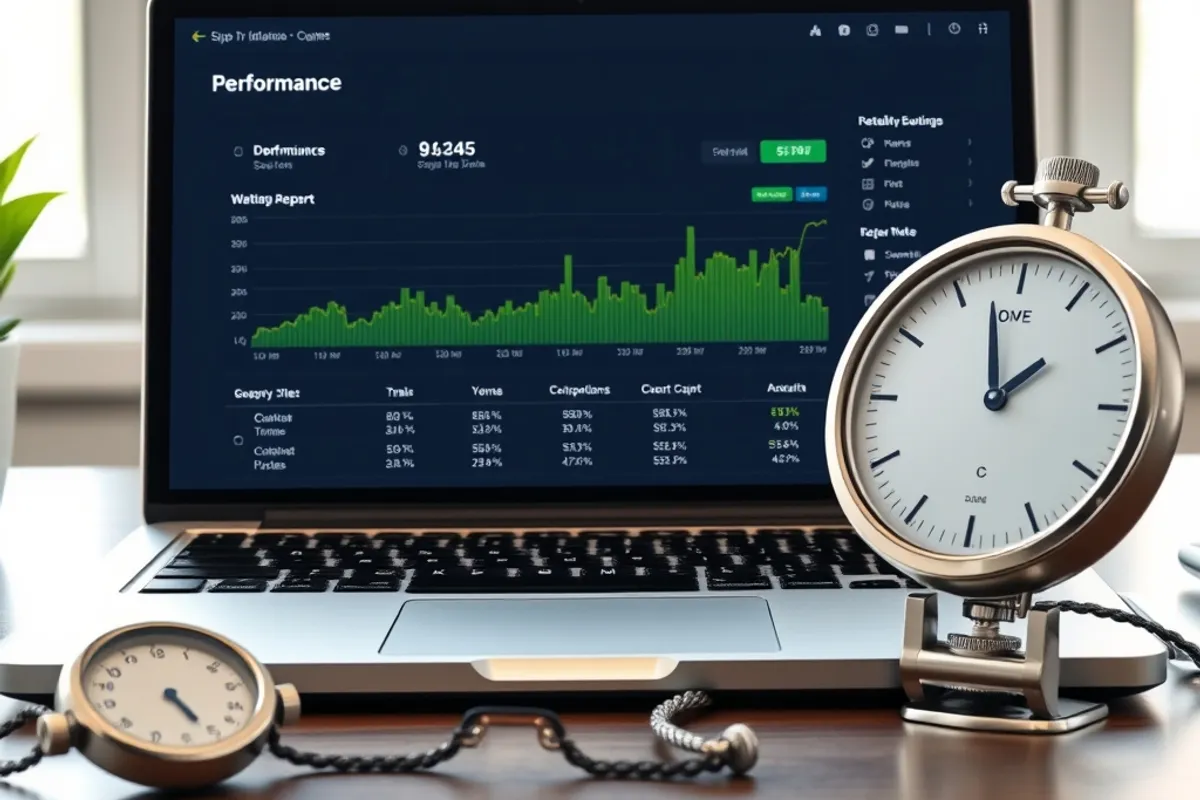
Website Speed 2026: 9 Fixes That Cut Load Time in Half
Most slow websites are slow for ordinary reasons: heavy images, too many scripts and fonts nobody uses. We walk through nine fixes in 2026, in the order that produces the biggest gain for the least work.
-
WebCraft
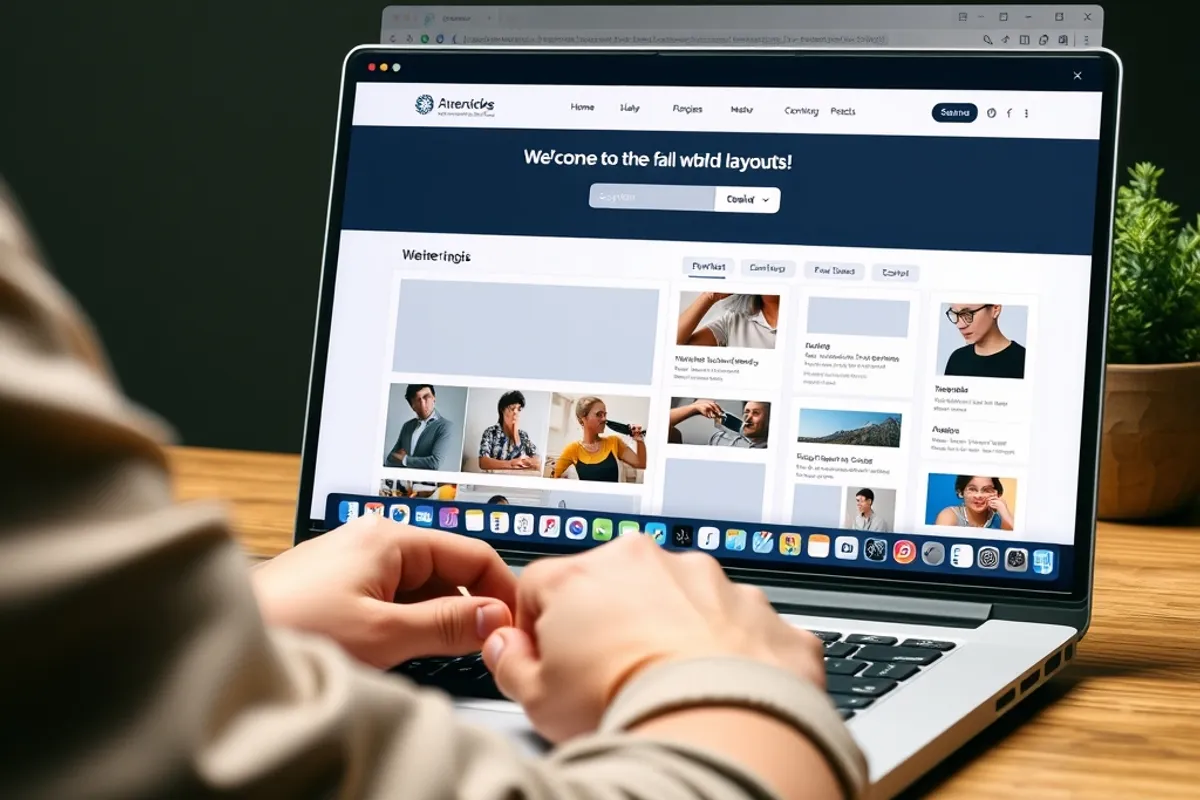
No-Code Website Builders 2026: 7 Platforms Tested
No-code builders can now produce a fast, professional site without a developer. We tested seven types in 2026 for speed, export options, pricing traps and what happens when you want to leave.