How we test gadgets
Every device gets at least two weeks of daily use. We log setup time, battery behaviour, app quality and the first thing that annoyed us. We also check what happens when the manufacturer stops updating it.
Specs are a starting point, not a verdict. A phone with a slightly slower chip but a better screen and longer support is usually the smarter buy. We rank accordingly.
Privacy is part of the review
A cheap smart camera is not cheap if it phones home with more data than you agreed to. We check the account requirements, the default privacy settings and whether the device works without a permanent cloud subscription.
Where a device needs an app, we note what permissions it asks for. Gadgets that demand contacts or location access for no clear reason lose points.
Value beyond the launch price
We price the whole ownership: the case, the subscription, the replacement filter, the cable that was not included. Those add-ons often decide whether a bargain stays a bargain.
Repairability and software support matter more than a one-off discount. A device that receives security updates for five years is cheaper than one you replace every two.
How to read our verdicts
We use three simple labels: buy, wait and skip. Buy means we would spend our own money. Wait means the next model or a price drop is likely to fix the main flaw. Skip means the device is not worth the setup time.
For independent definitions of the security features we check, the CISA best-practices library is a solid reference. It is written for organisations, but the basics apply at home too.
Latest Gadget Lab guides
-
Gadget Lab
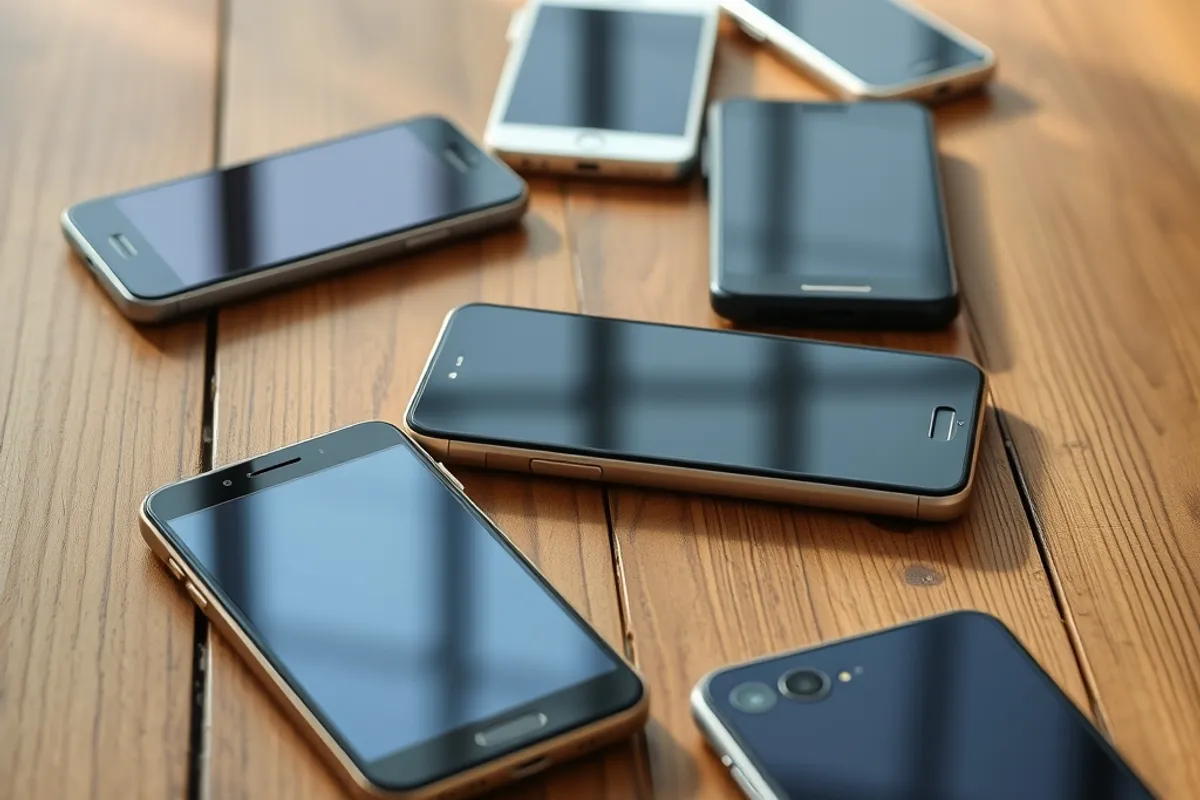
Budget Smartphones 2026: 6 Phones That Still Feel Premium
The best budget phones in 2026 no longer feel like compromises. We break down six profiles by what they do best, the specs that actually matter, and the corners worth accepting at this price.
-
Gadget Lab
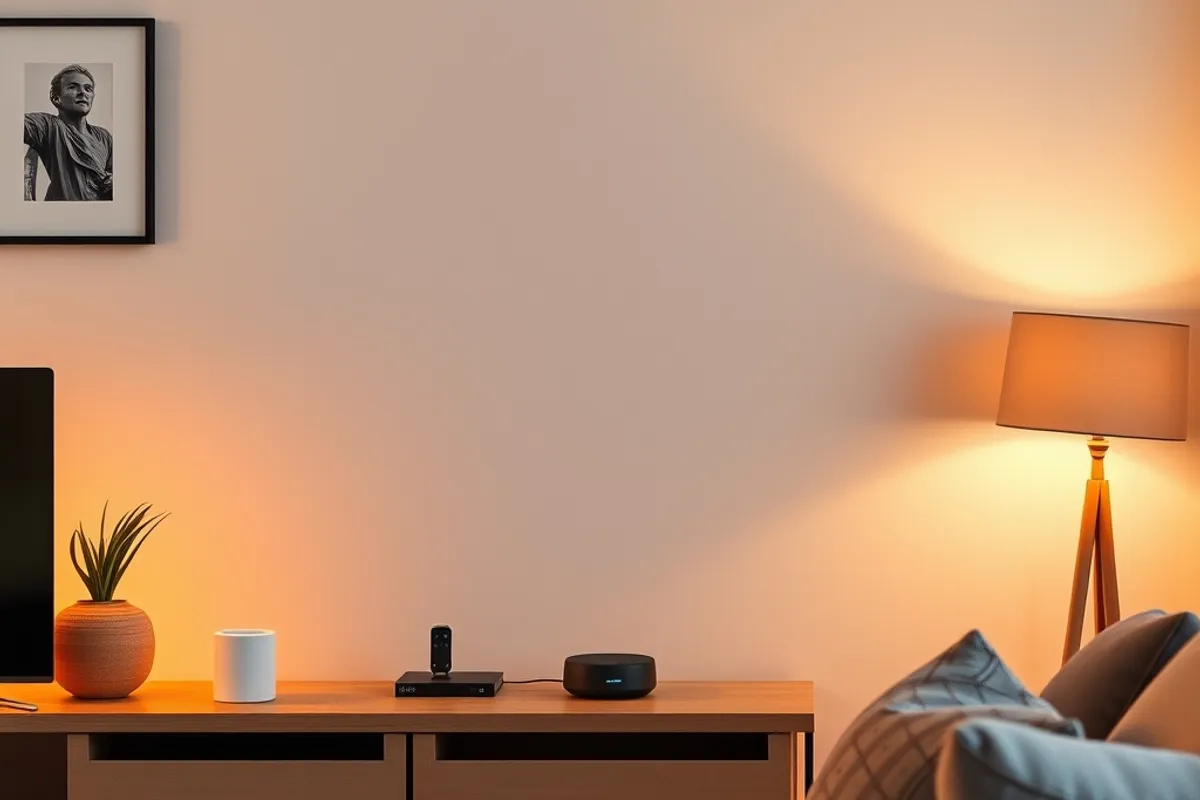
Smart Home 2026: 8 Devices Worth the Setup Time
A smart home should remove small daily frictions, not add another app to manage. We tested eight device types in 2026, ranked them by setup time and reliability, and listed what to skip.