Digital Growth
Email Marketing 2026: 8 Campaigns That Still Convert
Email remains the most direct channel a small business owns. We break down eight campaigns that still convert in 2026, the permission rules behind them, and the numbers worth watching.

Email survives because it is owned. No algorithm decides who sees it, and the list belongs to the business. That advantage disappears the moment the list is built without permission, because a rented audience does not read and does not trust.
Start with permission
Every address should come from someone who asked to hear from you. A clear sign-up form, a checkbox that is not pre-ticked and an honest description of what will arrive are enough. Purchased lists and scraped addresses damage deliverability and reputation.
Make unsubscribing easy and immediate. A person who leaves cleanly is better than one who marks you as spam. Spam complaints are the signal that hurts a sender the most, and they are almost always caused by surprise.
The list is not an asset if the people on it did not choose to be there.
The eight campaigns
The campaigns that earned their place in 2026 were: a welcome sequence, a weekly newsletter, a product-launch series, a nurture sequence for new leads, a win-back email, a renewal reminder, a useful transactional message and a short survey. Each has a clear job and a clear reason to exist.
The welcome sequence does the most work. Three emails over a week: one that delivers what was promised, one that explains the most useful thing you know, and one that makes a small, specific offer. It is the closest thing to a conversation a new subscriber will get.
Write one email, one action
The most common mistake is cramming a newsletter with five calls to action. A reader who is asked to do everything does nothing. Pick the one action that matters for this send, put it near the top and repeat it once at the end.
Write the subject line last, after you know what the email actually says. A subject that promises more than the body delivers trains people to ignore you. The best subject lines are specific and slightly plain.
Measure what matters
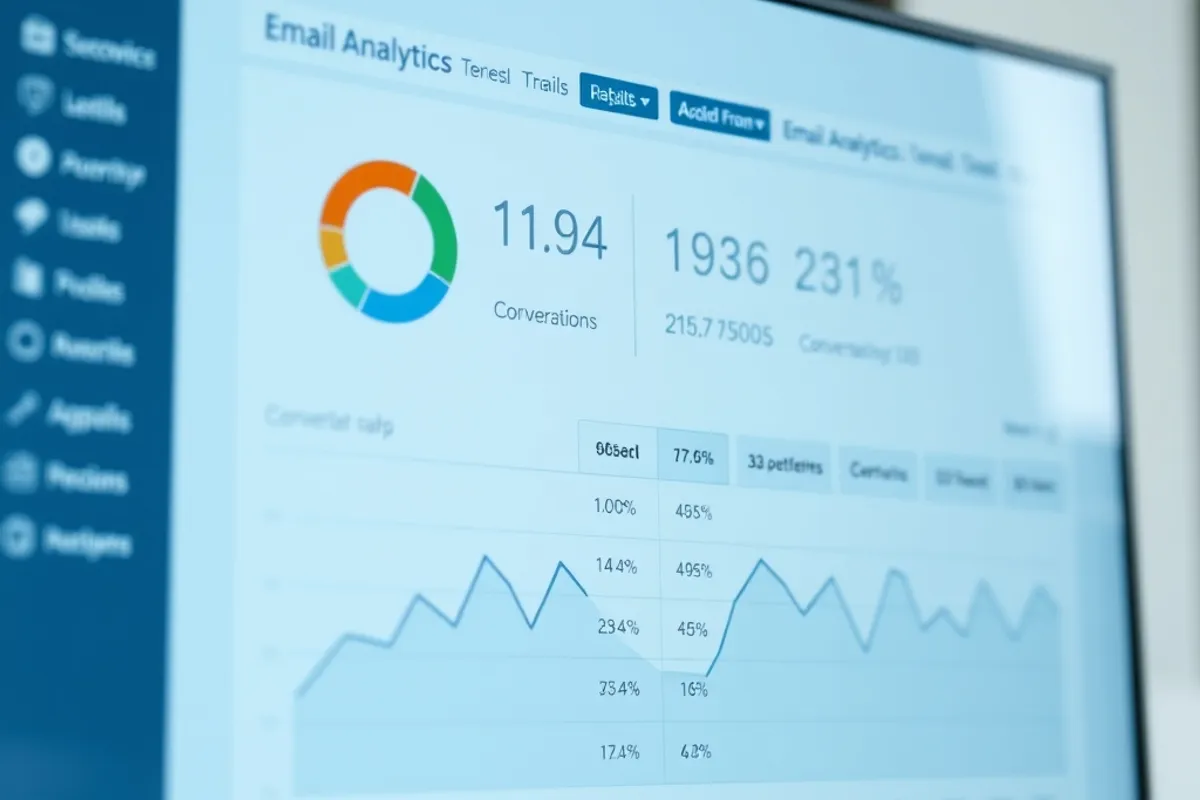
Open rates are distorted by privacy features that block tracking pixels. Treat them as a rough signal. Clicks, replies, conversions and unsubscribes tell you more about whether the email did a job. A small list with replies is healthier than a large list with silence.
Keep a simple baseline for each campaign type so you can tell whether a change helped. Our conversion rate guide covers the landing page side of the same problem: the email only works if the destination is clear.
A sustainable rhythm
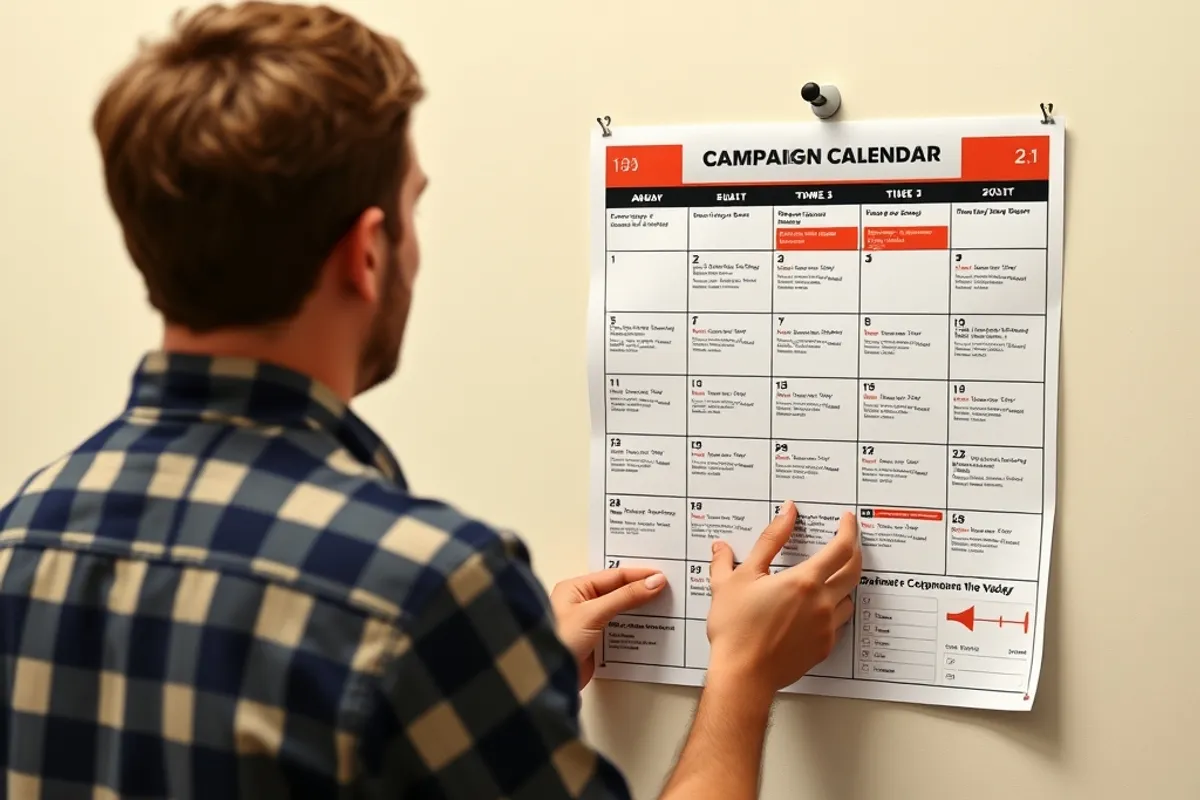
Choose a cadence you can keep for a year. One useful email a week beats four ambitious sends followed by two months of silence. Consistency is what turns a list into an audience, and an audience into a business that does not depend on rented reach.
For neutral background on how email delivery and authentication work, the Wikipedia article on email marketing is a reasonable primer. It will not write the sequence, but it will help you avoid the basics that get mail filtered.