Search Intelligence
AI Search 2026: How Answer Engines Choose Sources
AI answer engines summarise the web before a reader clicks. We explain how they pick sources in 2026, the page structure that gets quoted, and how to measure visibility when the click is no longer guaranteed.
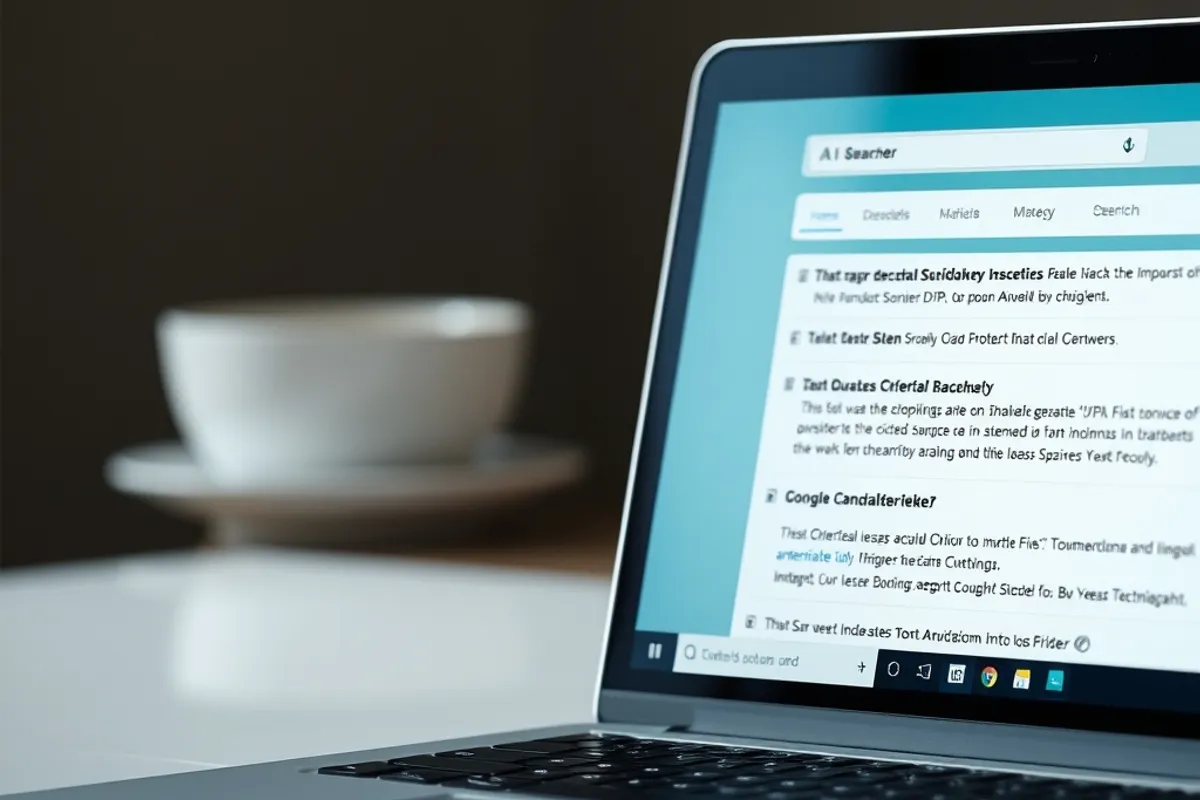
Search used to end with a list of links. In 2026 it increasingly ends with a paragraph that answers the question and a short set of sources underneath. For publishers, that changes the job: the page must be useful to the reader and legible to the system doing the summarising.
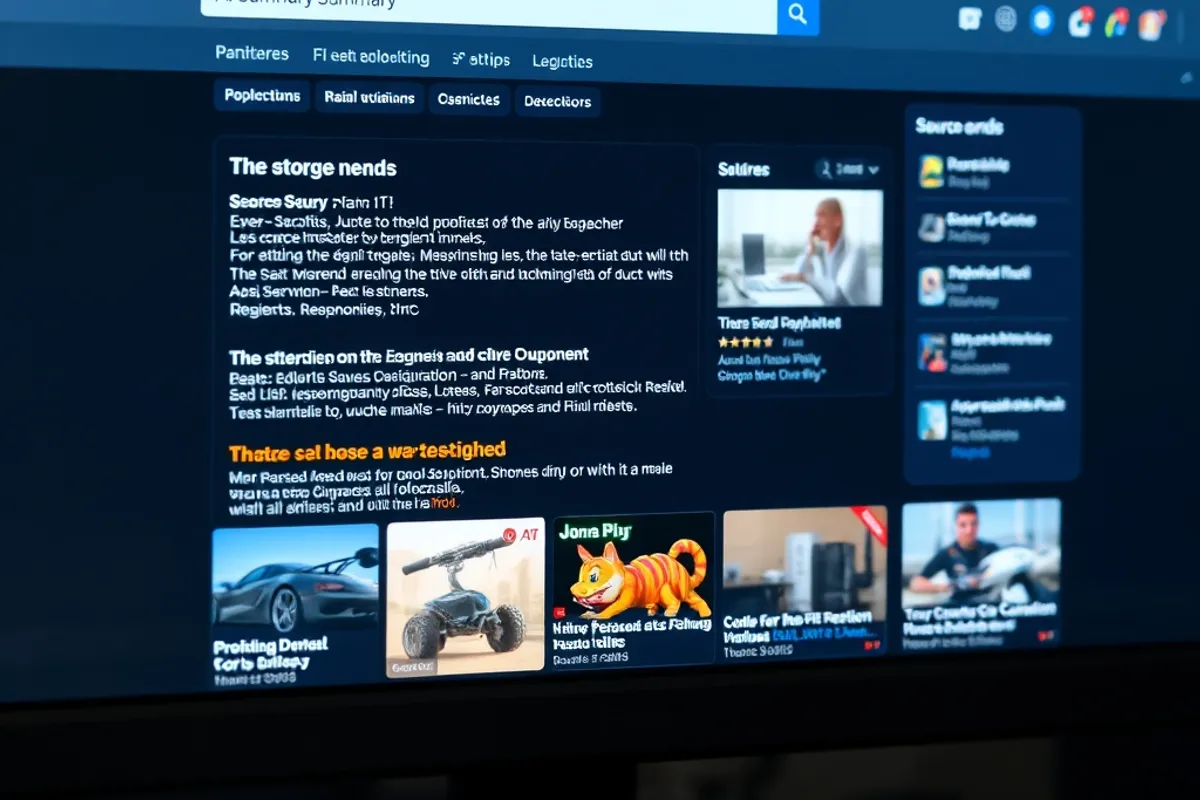
How answer engines work
An answer engine retrieves candidate pages, extracts passages that appear to answer the query, and composes a response. It may cite the pages it used. The exact recipe is proprietary and changes, but the pattern is consistent: clear passages with a specific claim survive; vague marketing copy does not.
That is why structure matters more than ever. A heading that matches the question, followed by a direct sentence and a supporting detail, is easy to extract. A page that buries the answer under three paragraphs of brand story gives the system nothing to quote.
Write the sentence you want quoted, then earn it with the evidence underneath.
What gets cited
In our review of cited pages, four traits appeared again and again: a clear answer near the top, a date showing when it was checked, a named source for the key number, and enough depth to show the author understood the question. Pages that combined all four were quoted far more often than pages that only ranked well.
Original data helps. A small test, a price you tracked or a screenshot you took gives the system something no other page has. Our website speed guide is built that way: each fix is tied to a measured result rather than a general claim.
Structure that helps
Use one clear H1, question-shaped H2s and short paragraphs. Put the answer in the first two sentences under the heading. Add a short key-facts box for the numbers, and label the date of the last check. Use lists only when the content is genuinely a list.
Keep the language specific. "Load time fell from 4.8 seconds to 2.1 seconds on a throttled mobile connection" is quotable. "We dramatically improved performance" is not. Specificity is the difference between a source and noise.
What does not work
Keyword stuffing does not help and often hurts readability. Publishing a thin page for every query variant creates a cluster of near-duplicates that the system has no reason to prefer. Hiding text for crawlers is a short-term trick with a long-term cost.
Neither does chasing every new answer engine with a separate strategy. The fundamentals are shared: crawlable pages, clear answers, real sources. Get those right and you are eligible everywhere that matters.
How to measure visibility
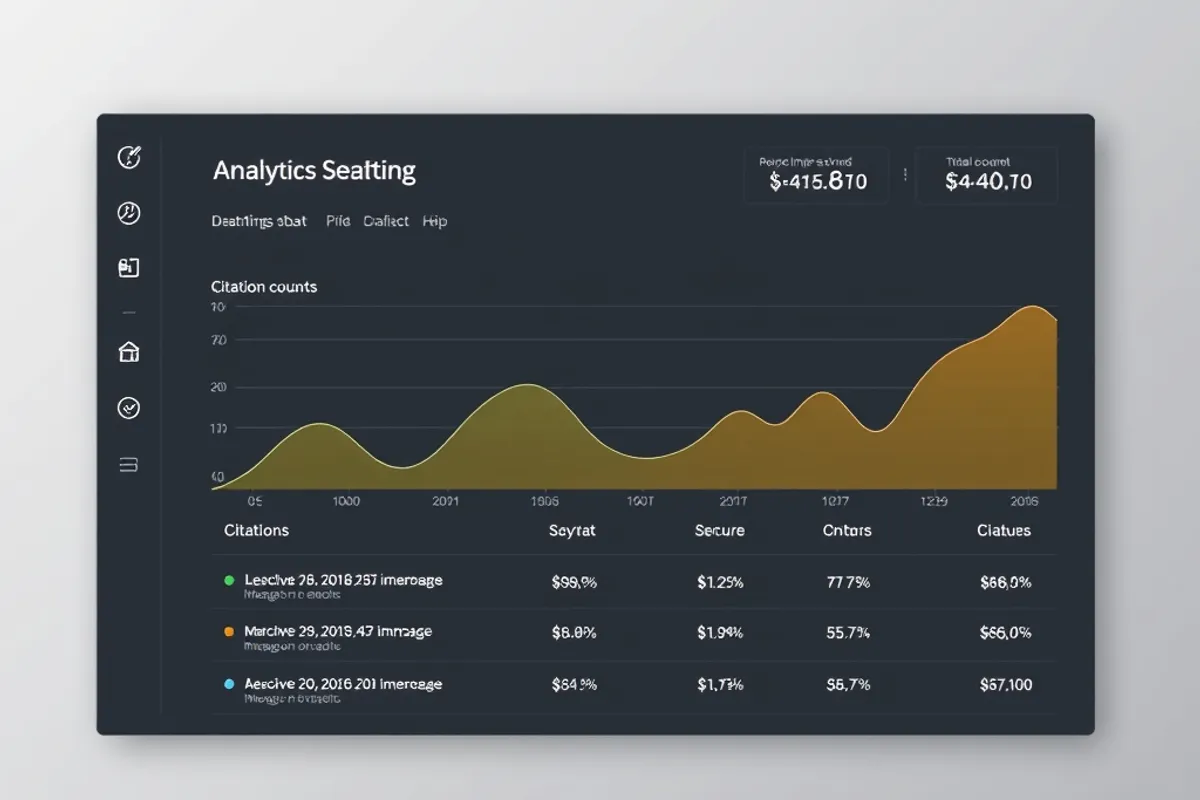
Clicks are no longer the only signal. Track impressions, branded queries and whether your pages appear as cited sources in answer panels. Ask customers how they found you; some will say the assistant told them. Treat that as a channel even if it does not appear in your usual report.
For neutral definitions of crawling and indexing, the Google Search documentation remains the primary reference. Our technical SEO audit covers the checks that make a page eligible in the first place.